
Fragrant Fields
Fennel
Fennel
Couldn't load pickup availability
Name: Fennel
Botanical Name: Foeniculum vulgare
Zone: Semihardy perennial; hardiness zone 6
Bloom Time and Color: July to October; yellow.
Soil: average, very well-drained soil
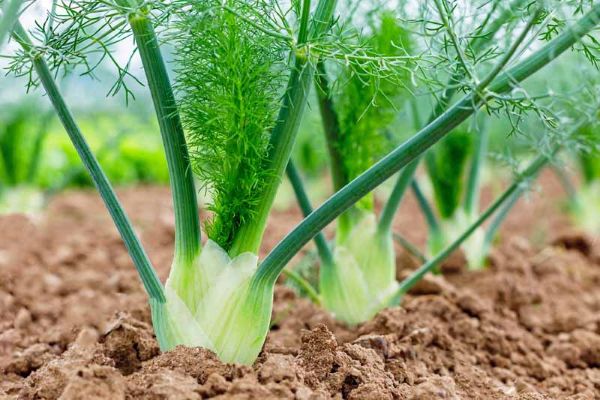
Fennel is a perennial, aromatic herb in the carrot family (Apiaceae), grown as both a culinary and medicinal plant.
Growth habit: Upright and feathery, typically 1–2 meters (3–6 ft) tall
Stem: Smooth, hollow, bluish-green, and branched
Leaves: Finely divided, soft, and thread-like (often described as feathery), giving the plant a light, airy look
Flowers: Small, bright yellow flowers arranged in flat-topped clusters called umbels
Seeds: Elongated, ribbed, greenish-brown when mature, strongly aromatic
Aroma: Sweet, warm, and anise- or licorice-like
Roots: Deep taproot that helps the plant tolerate dry conditions
Growing conditions:
Prefers full sun
Thrives in well-drained soil
Drought-tolerant once established
Uses:
Leaves, bulbs, seeds, and stems are all usable
Common in cooking, herbal teas, and traditional remedies
Harvesting: The foliage of fennel cannot be dried successfully because of its high moisture content. It can be chopped, covered with water, and frozen in ice cube trays. Sprigs can be frozen wrapped in foil for some weeks. To dry seeds, harvest in autumn. Snip off heads and dry for a few days. Shake out seeds and store in an airtight container.
Exposure: Part Shade to Full Sun
Description: The plant's long, carrot-shaped root produces a round, finely grooved stem with bluish stripes. The dark green leaves are alternately branched from joints on the stem and dissected into numerous filiform segments. The small yellow flowers are on large compound umbels. The oblong fruit has prominent ribs.
Medicinal Uses: Fennel contains carminative properties, which means that it may help in the preventing of the formation and aid in the expulsion of gas in the gastrointestinal tract. Fennel has also been used in some countries as a medicinal plant which can help improve eyesight.
Care: Do not plant fennel near coriander, caraway, or wormwood as they hinder each other's growth. Also, do not plant near tomatoes or dwarf green beans. Plants should be supported when the bright yellow flower heads form. The umbels of flowers resemble those of dill, except that they are larger.
Share